


Satin, Mirror, Orbital and Superior Mirror Explained
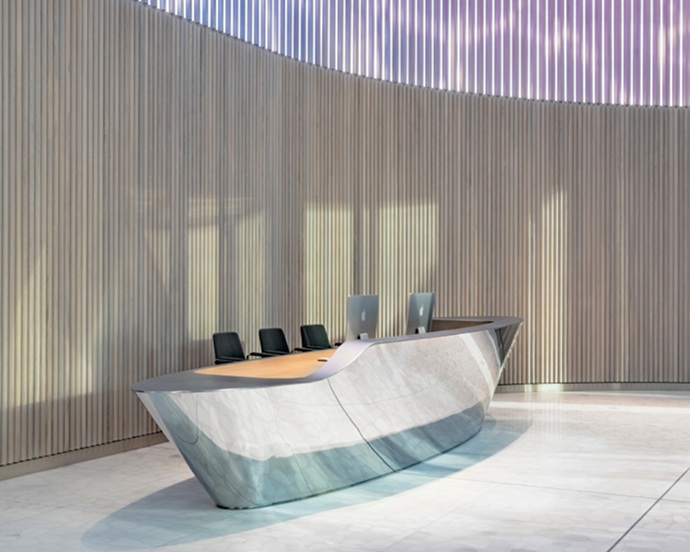
When specifying metal for an architectural project, the finish is just as important as the material itself. Metal finishes influence how light behaves in a space, how large or open an area feels, and how well surfaces stand up to everyday use.
Choosing the wrong finish can result in excessive glare, visible wear, or higher maintenance costs over time.
This practical guide explains four of the most commonly used architectural metal finishes, satin, mirror, orbital and superior mirror, and outlines where each works best. Understanding these options will help architects, designers and contractors make informed decisions that balance appearance, durability and long-term performance.
Understanding Metal Finishes in Architecture
A metal finish refers to the surface texture and level of polish applied to a metal component. In architectural projects, finishes are commonly applied to stainless steel, brass, aluminium and bronze. The finishing process determines how reflective the surface is, how it interacts with light, and how resistant it is to marks and scratches.
The right finish depends on several factors, including location, lighting conditions, level of contact and maintenance expectations. A feature wall in a hotel lobby will need a very different finish to a handrail in a busy public building.
Satin Finish: Practical, Modern and Versatile
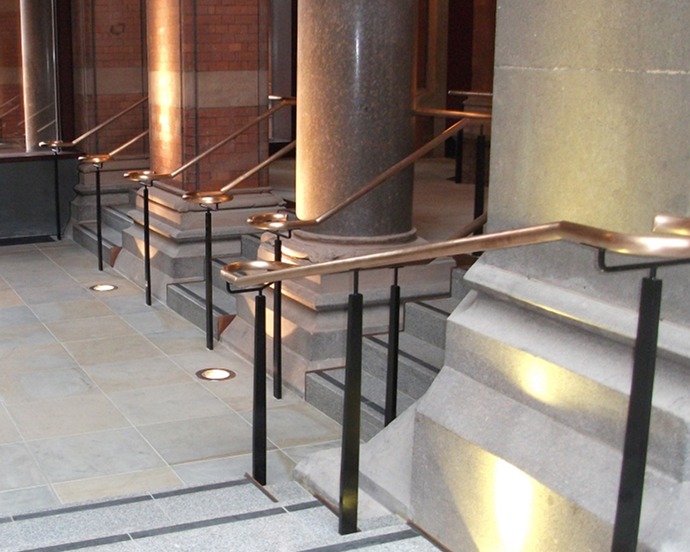
Satin finish has a smooth, even appearance with a soft sheen. It is created using fine abrasive techniques that leave a subtle directional grain on the surface. The result is a low to medium reflective finish that looks clean and modern without being overly shiny.
Satin finishes gently reflect light without producing glare. This makes them ideal for areas with strong natural or artificial lighting. They create a calm, balanced look that complements contemporary architecture and interior design.
Satin metal finishes are widely used across architectural projects, including:
- Handrails and balustrades
- Lift interiors
- Door furniture and fittings
- Wall panels
- Commercial and public interiors
- Durability and maintenance
One of the biggest advantages of a satin finish is its practicality. It hides fingerprints, minor scratches and everyday wear far better than highly polished finishes. Maintenance is straightforward, making it an excellent choice for high-traffic environments.
Mirror Finish: Bold, Reflective and Striking
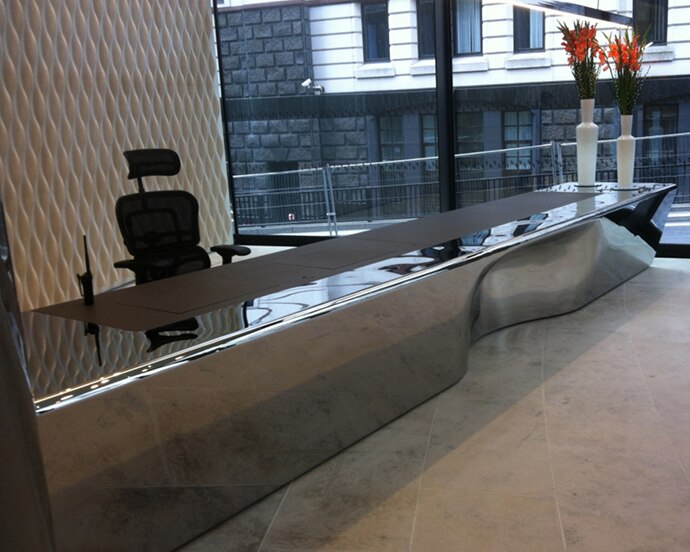
A mirror finish is produced through extensive polishing to achieve a highly reflective, almost glass-like surface. It offers maximum shine and visual impact.
Mirror-polished metal reflects light strongly, helping to brighten spaces and make them feel larger. This can be particularly effective in smaller areas or spaces with limited natural light. However, reflections can be intense, so careful placement is essential.
Mirror finishes are often used as statement features rather than functional surfaces, such as:
- Feature walls
- Reception areas
- Luxury retail interiors
- Decorative panels and accents
- Durability and maintenance
While visually impressive, mirror finishes show fingerprints, scratches and marks very easily. They are best suited to low-contact areas and require regular cleaning to maintain their appearance.
Orbital Finish: Contemporary and Hard-Wearing
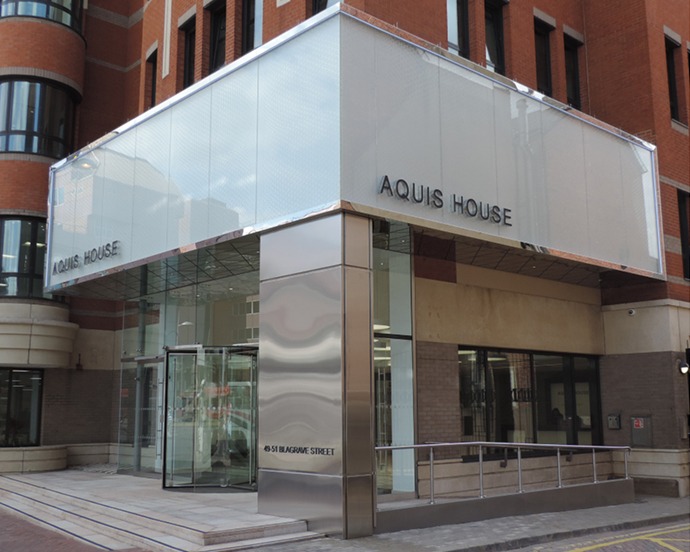
An orbital finish is created using circular polishing motions, resulting in a distinctive overlapping pattern. Unlike satin finishes, orbital finishes are non-directional, meaning the pattern looks consistent from all angles.
Orbital finishes diffuse light rather than reflecting it sharply. This reduces glare while still adding visual interest through texture. The finish feels modern and technical, making it popular in contemporary architecture.
Orbital finishes are commonly specified for:
- External and internal cladding
- Columns and structural features
- Transport hubs
- Public and commercial buildings
- Durability and maintenance
This finish is excellent at disguising scratches and wear, making it ideal for busy environments. Its consistent pattern helps surfaces maintain a uniform appearance over time.
Superior Mirror Finish: Precision and Luxury
A superior mirror finish goes beyond standard mirror polishing. It delivers an exceptionally flat, distortion-free reflection with outstanding clarity. Achieving this level of finish requires specialist equipment and expert craftsmanship.
Superior mirror finishes maximise reflection and visual impact. They enhance detail, depth and symmetry, making them ideal for premium architectural features.
This finish is typically reserved for high-end applications, including:
- Luxury interiors
- Bespoke architectural features
- Statement installations
- High-profile commercial projects
- Durability and maintenance
While visually stunning, superior mirror finishes are more delicate. They are best used in controlled environments with minimal physical contact and require careful maintenance to preserve their flawless appearance.
How to Choose the Right Metal Finish
Selecting the right metal finish begins with understanding where and how it will be used. Whether a surface is installed indoors or outdoors will affect how it performs over time, as external environments expose metal to weather and pollution, while internal spaces may involve frequent contact and wear.
It is also important to consider how often the surface will be touched. High-contact areas such as handrails, lifts and door fittings benefit from finishes that hide fingerprints and scratches, while decorative elements allow for more visually striking finishes.
Lighting conditions play a significant role in how a finish looks in practice. Highly polished surfaces reflect light strongly and can make spaces feel larger, but softer finishes reduce glare and create a more balanced atmosphere. Finally, the intended function and acceptable level of maintenance should guide the decision. Balancing appearance with durability ensures the metal finish performs well throughout the life of the building.
The Importance of Specialist Metal Polishing
Architectural metal finishing requires a high level of precision, consistency and technical expertise. Even small imperfections can be highly visible, particularly on polished or reflective surfaces, and poor finishing can detract from an otherwise well-designed space. In addition, incorrectly finished metal may wear more quickly, leading to increased maintenance or premature replacement.
Specialist metal polishers understand how different finishes perform in real-world architectural environments. They can advise on the most appropriate finish based on factors such as location, usage, lighting and long-term durability. Working with experienced professionals helps ensure the finished metal not only looks exceptional on installation, but continues to perform as intended over time.
High Grade Metal Polishers work closely with architects, designers and contractors to deliver high-quality architectural metal finishes that meet both visual and practical requirements, from functional components to standout design features.
Choosing a Finish That Elevates the Entire Design
There is no single metal finish that suits every architectural project. Satin, mirror, orbital and superior mirror finishes each serve a different purpose, offering their own balance of visual impact, light interaction and durability.
The key to a successful specification lies in understanding how each finish will perform within the space, how it will be used, and how it will be maintained over time.
By carefully matching the metal finish to the environment and function of the design, architects and designers can enhance both the aesthetic quality and the long-term performance of a building. With the right expertise and attention to detail, metal finishes become more than a surface treatment, they become an integral part of the architectural experience. Get in touch today to discuss your next project.
Frequently Asked Questions (FAQs)
What is the most durable metal finish for architecture?
Satin and orbital finishes are generally the most durable for architectural use. They hide scratches and fingerprints well, making them ideal for high-traffic areas.
Which metal finish is best for high-traffic areas?
Satin and orbital finishes are best for high-contact surfaces such as handrails, lifts and public interiors due to their low maintenance and resistance to visible wear.
Are mirror finishes suitable for commercial buildings?
Yes, mirror finishes can be used in commercial buildings, but they are best limited to decorative or low-contact areas due to their maintenance requirements.
What is the difference between mirror and superior mirror finishes?
A superior mirror finish offers higher clarity, reduced distortion and a more refined reflection than a standard mirror finish. It is typically used for luxury and bespoke architectural features.
Can metal finishes be customised for specific projects?
Yes. Specialist metal polishers can tailor finishes to suit specific design requirements, materials and environments.